

Home | Apply | Talent | Packages Contact | FAQ
Everything You Need to Know About Showreels
Showreels are one of the most powerful career tools a performer can have. Whether you are an actor, dancer, or musical theatre performer, your showreel often determines whether you get an audition—or get overlooked. In today’s competitive industry, casting professionals rely heavily on showreels to make quick, informed decisions.
This guide explains everything you need to know about showreels, from what they are and why they matter to how to create a professional, high-impact reel that gets results.
What Are Showreels and Why They Matter
Definition of a Showreel
A showreel is a short video compilation showcasing your performance skills. It highlights your acting range, screen presence, voice, movement, and emotional depth. Showreels typically run between 60 seconds and 3 minutes, depending on discipline.
The Purpose of Showreels in the Industry
Casting directors, agents, and producers use showreels to:
- Assess your suitability for roles quickly
- Judge your on-screen confidence and technique
- Decide whether to invite you to audition
In many cases, your showreel is viewed before your CV.
Types of Showreels Explained
Acting Showreels
Acting showreels focus on dramatic scenes, character work, and emotional range. They usually include 3–5 short clips from different scenes.
Musical Theatre Showreels
These combine acting with singing. They often include:
- One acting scene
- One ballad
- One up-tempo song
Dance Showreels
Dance showreels highlight technique, style versatility, and physical control. Clear framing and full-body shots are essential.
Voice and Commercial Showreels
Voice reels focus on vocal tone, clarity, and adaptability, while commercial showreels show personality, relatability, and natural delivery.
Who Needs a Showreel
Actors and Actresses
For screen acting, showreels are essential. Most casting calls require a link before auditions are even offered.
Musical Theatre Performers
Musical theatre performers need showreels to demonstrate triple-threat ability—acting, singing, and movement.
Dancers and Creatives
Dancers, choreographers, and movement artists use showreels to showcase versatility and style.
What Makes a Powerful Showreel
Length and Structure
- Keep it short and impactful
- Open with your strongest clip
- Avoid slow build-ups
Casting directors often decide within 10 seconds.
Performance Quality
Your showreel should show:
- Strong emotional choices
- Natural delivery
- Clear intention
Overacting or stage-style performance can weaken a showreel for screen.
Editing and Flow
Professional editing ensures:
- Clean sound
- Smooth transitions
- Consistent colour and framing
A poorly edited showreel can distract from great performances.
How to Create Professional Showreels
DIY vs Professional Production
DIY showreels are risky unless you understand filming, sound, lighting, and editing. Professionally produced showreels offer:
- Industry-standard visuals
- Directed performances
- Scripted scenes written for you
You can explore professionally produced showreel options here:
👉 https://stageonetalent.co.uk/showreel-packages/
Scripted Scenes vs Monologues
Custom-written scenes feel natural and cinematic. Monologues often feel staged and less engaging on screen.
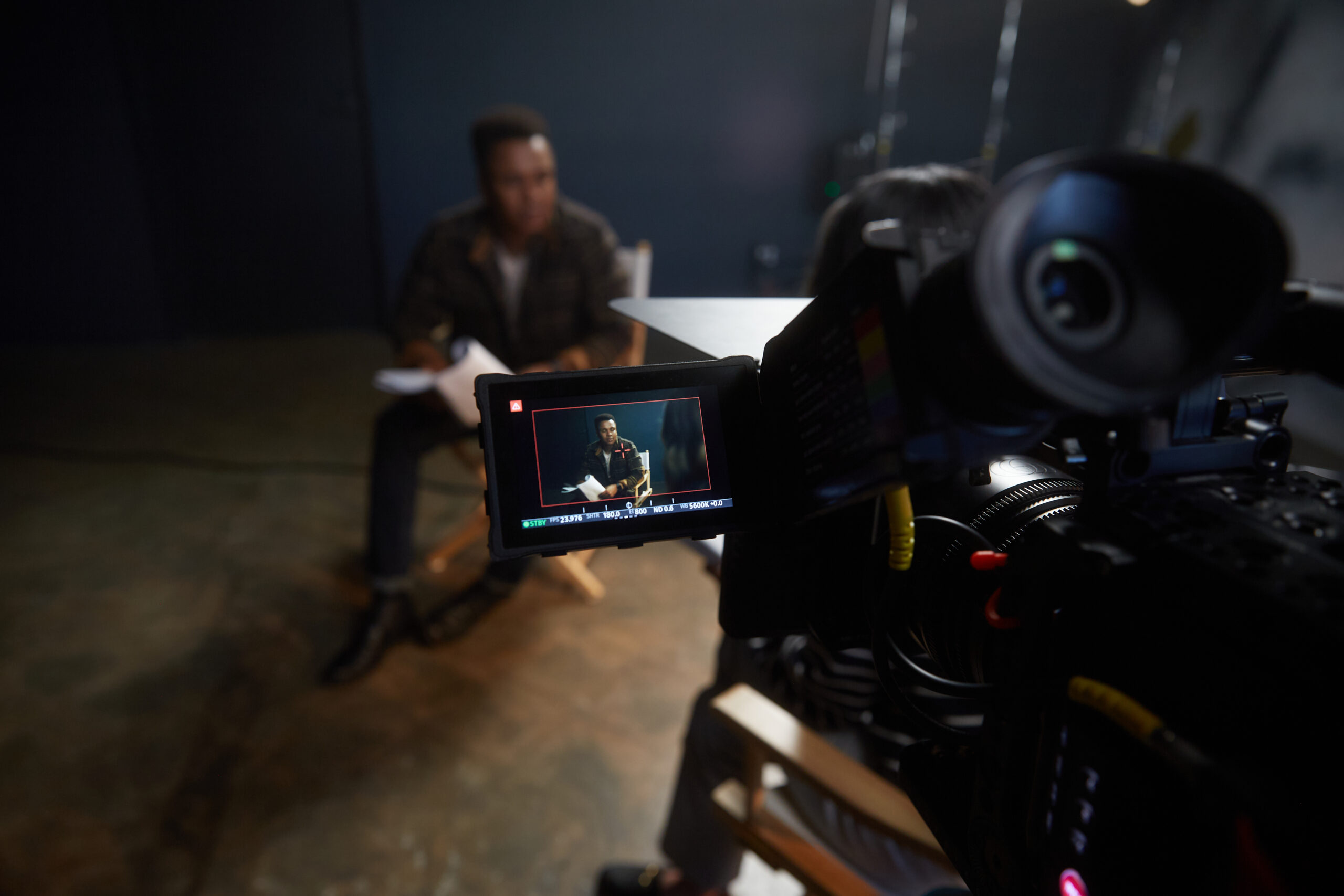
Filming Standards
Professional showreels use:
- Cinematic cameras
- Controlled lighting
- Clean audio
This instantly elevates credibility.


4
Common Showreel Mistakes to Avoid
- Including weak or student footage
- Starting with your name instead of performance
- Overly long clips
- Poor sound quality
- Using copyrighted music incorrectly
A showreel should highlight your strengths, not your learning curve.
How Casting Directors Use Showreels
Casting professionals often:
- Watch on mute first
- Skip through clips
- Decide quickly
This means clarity, confidence, and strong opening moments matter most.
According to industry insights shared by Casting Networks (external resource), most casting decisions begin with showreel impressions:
🔗 https://www.castingnetworks.com/news/importance-of-actor-demo-reel/
Showreels for Beginners with No Experience
If you lack footage, professionally scripted showreels are the best option. They allow you to:
- Perform age-appropriate roles
- Show range without credits
- Compete professionally
This is especially important for early-career performers.
Updating and Maintaining Your Showreel
Update your showreel:
- Every 12–18 months
- When your casting type changes
- After major professional credits
Outdated showreels can harm credibility.
Hosting and Sharing Showreels Online
Best practices include:
- Hosting on Spotlight or Vimeo
- Embedding on your website
- Including links in casting profiles
Avoid uploading compressed versions that reduce quality.
Frequently Asked Questions About Showreels
What is the ideal length of a showreel?
Most showreels should be between 1–3 minutes.
How many scenes should a showreel include?
Typically 3–5 strong clips.
Do casting directors watch full showreels?
Often no—make the opening moments count.
Can I use student films in my showreel?
Only if the footage and sound quality are high.
Should beginners invest in professional showreels?
Yes. Professionally produced showreels level the playing field.
How important are showreels compared to CVs?
Showreels often matter more than CVs in first-round decisions.
You can explore professionally produced showreel options here:
👉

🔗 Spotlight – Creating a Showreel
https://www.spotlight.com/news-and-advice/actors/creating-a-showreel/
Conclusion
Showreels are no longer optional—they are a career-defining asset. A strong showreel opens doors, builds credibility, and helps casting directors see your potential instantly. By understanding what makes showreels effective and investing in quality production, performers can stand out in an increasingly competitive industry.
Table of Contents
🎬 Stage One Recommended Kit
Upgrade your self-tape quality with the lighting kit our agents prefer.
VIEW ON AMAZON